

(An innovative initiative by Swami Brahmanand Mahavidyalaya for the preservation of Indian culture)
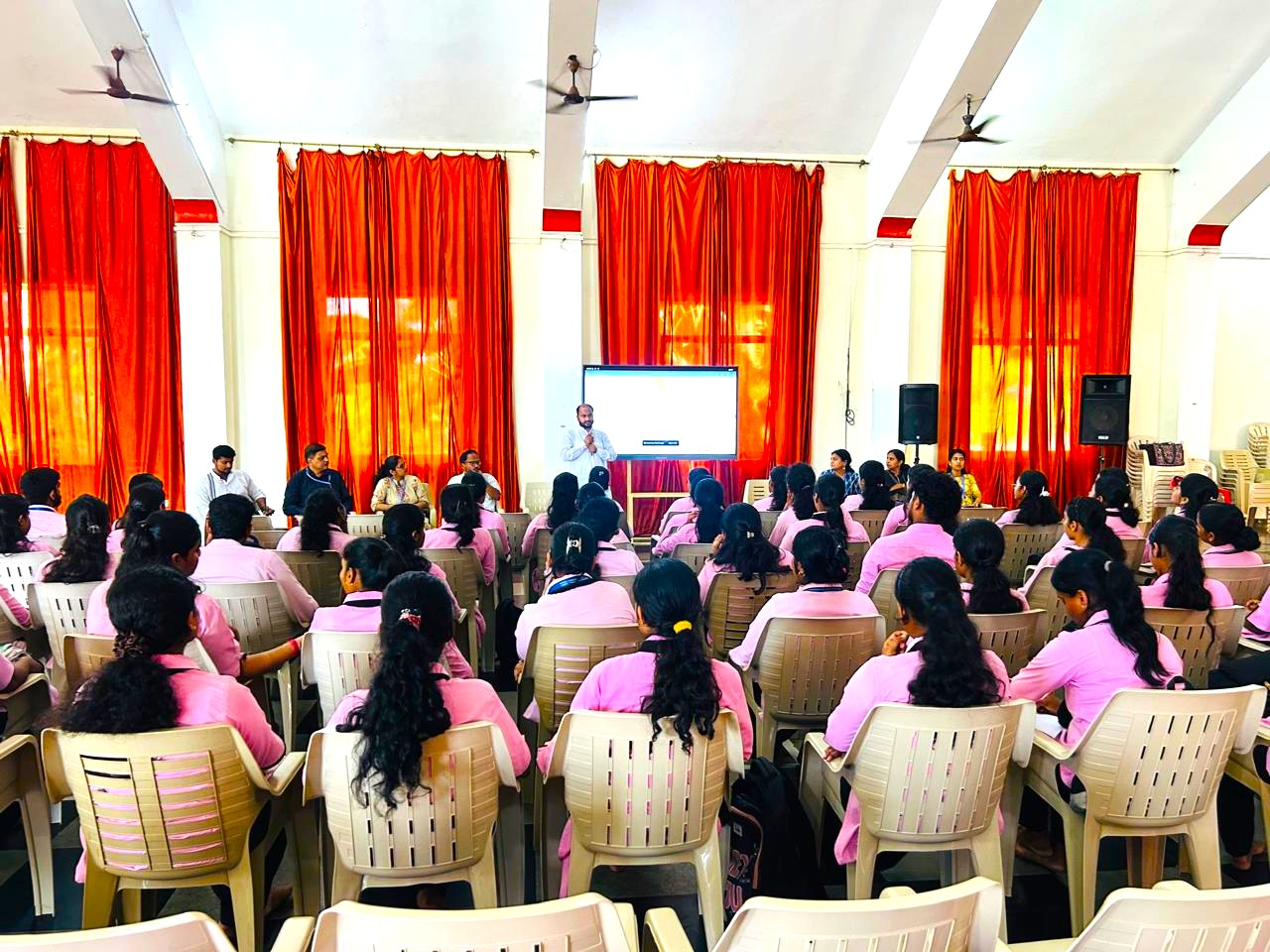
With the objective of preserving and promoting Indian culture, the ancient knowledge tradition, and rich heritage, students from Ganpat Parsekar College undertook an educational visit to Swami Brahmanand Mahavidyalaya, Tapobhoomi, Kundaim, on Saturday, October 10, 2026. Through this visit, the students gained an invaluable opportunity to understand the comprehensive nature of the Indian knowledge tradition, the characteristics of the ancient Indian education system, and the rich tradition of various branches of knowledge within Indian culture.
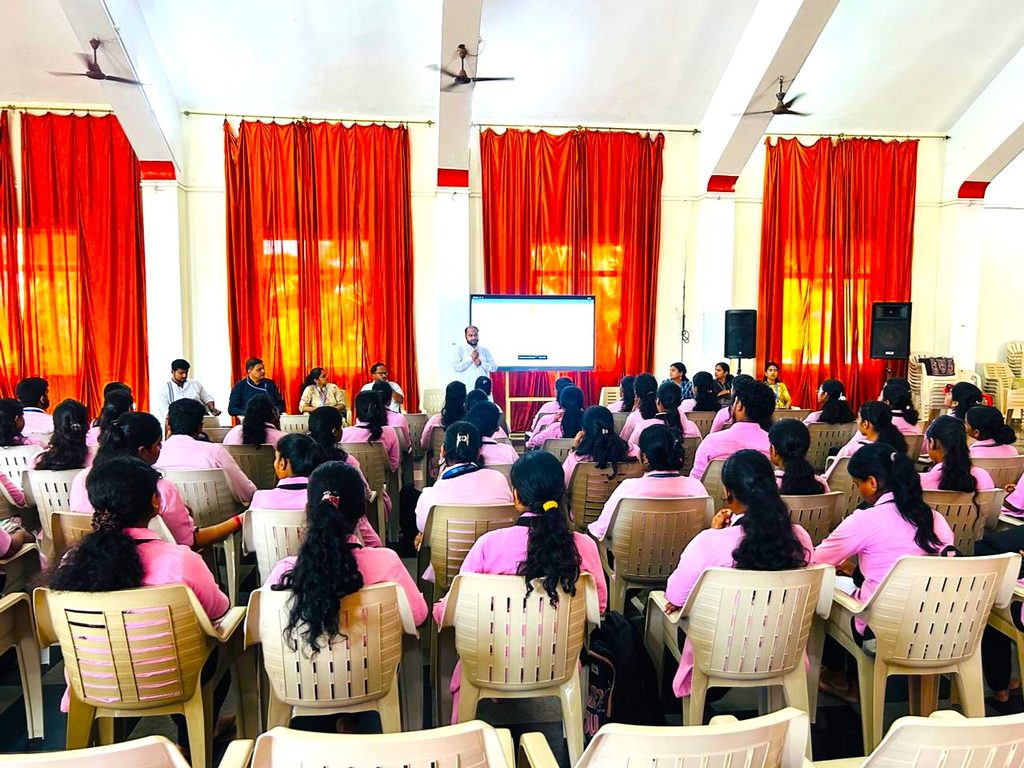
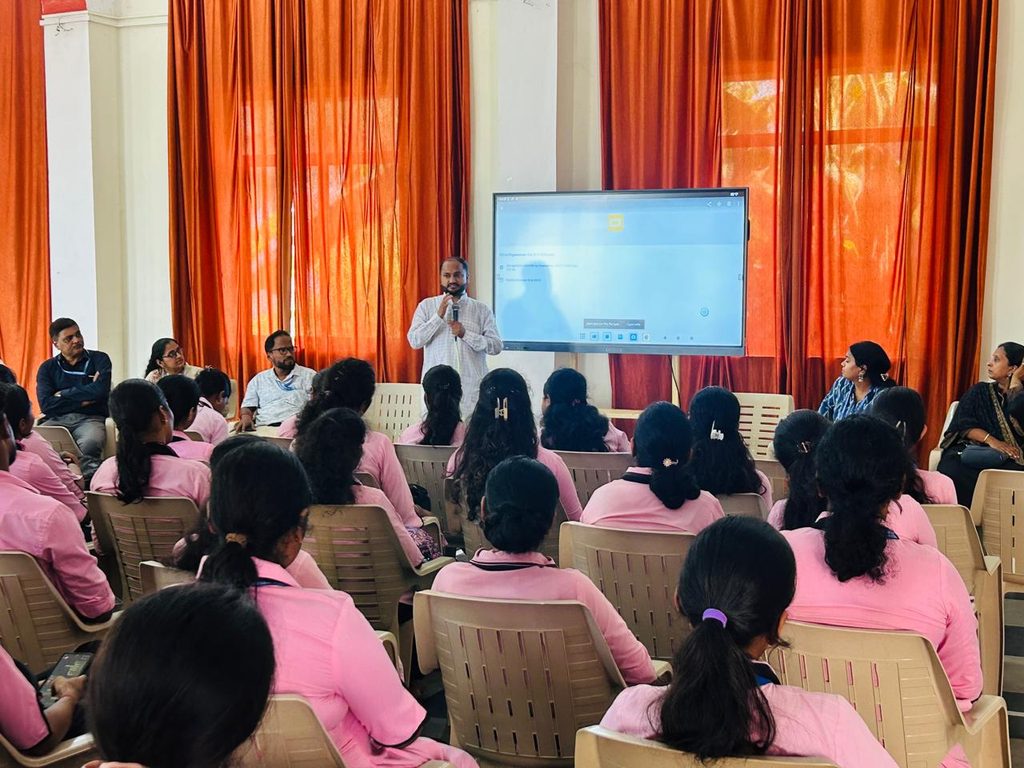
On this occasion, Dr. Dnyaneshwar Patil, Principal of Swami Brahmanand Mahavidyalaya, guided the students on the topic of the ‘Indian Knowledge System’. While elucidating the historical, cultural, and educational significance of the Indian knowledge tradition, he provided information on the unparalleled contributions made by ancient Indian sages in Vedas, Sanskrit, philosophy, yoga, astronomy, mathematics, and various other fields of knowledge. He emphasized that the Indian knowledge tradition is not merely a glorious tradition of the past, but the foundation of India’s cultural identity and an inspiring source of knowledge for future generations.
During this educational visit, students were introduced to various branches of knowledge such as the Vedic Gurukul education system, Vedas, Sanskrit, Yoga Shastra, Astrology, Vastu Shastra, Agricultural Science, Astronomy, and Architecture. The importance of acquiring knowledge, character building, instilling values, discipline, and holistic personality development within the ancient Indian education system was also explained to the students.
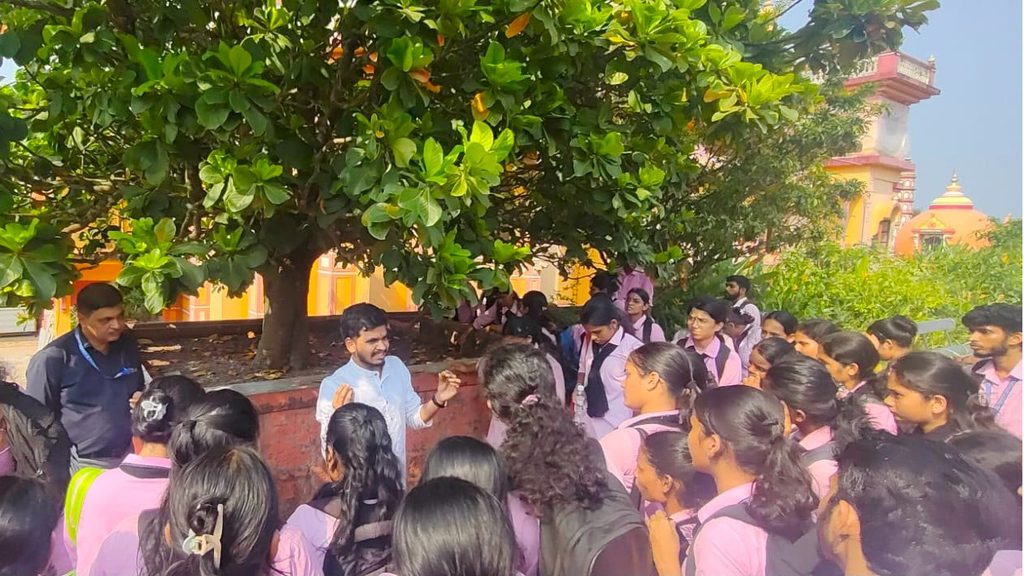
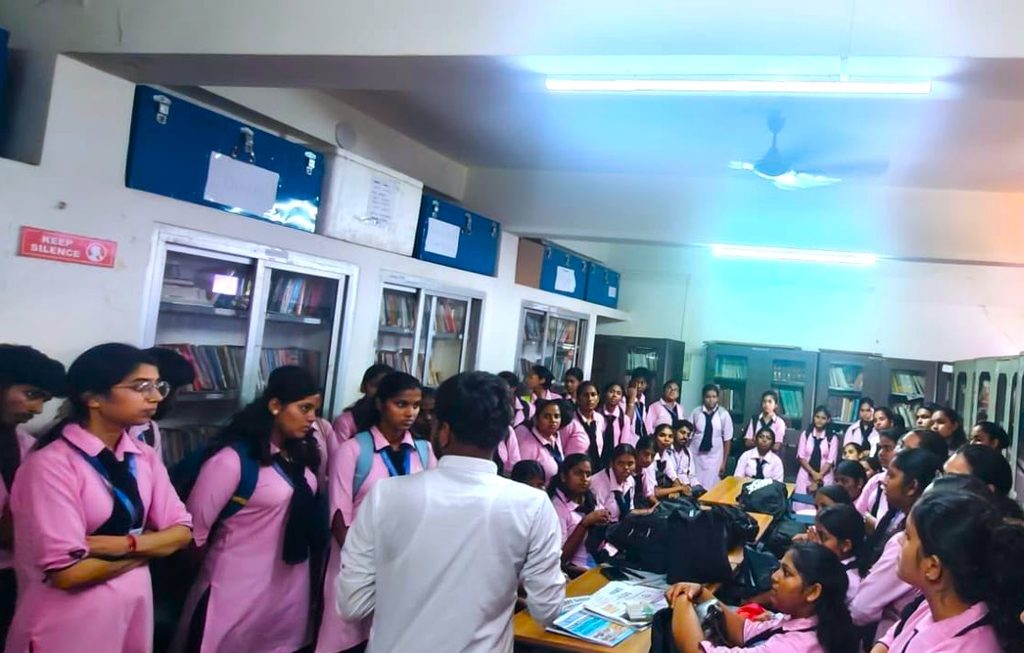
During the campus tour of the college, Assistant Professor Dattaraj Mandrekar provided students with detailed information about Yagya Mimansa, the ancient collection of texts in the college library, the education system in the Vedic Gurukul, and the various activities implemented for the preservation and promotion of Indian culture and traditions. The importance of preserving India’s rich cultural heritage through ancient texts, Vedic knowledge, and the traditional education system, and passing it on to future generations, was also underscored during this time.
Protecting, promoting, and revitalizing Indian culture and the knowledge tradition is the collective responsibility not only of educational institutions but of the entire society. The main objective of such educational initiatives is to study the invaluable wealth of knowledge created by our ancestors, highlight its significance in contemporary contexts, and pass on this glorious heritage to the new generation.
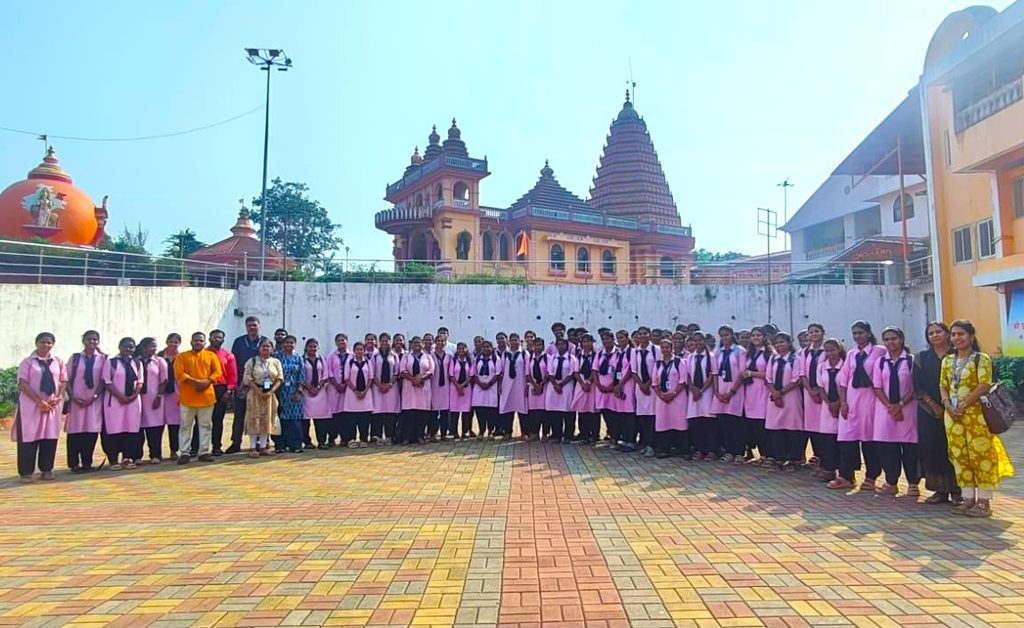
This educational visit helped instill curiosity among students about Indian culture, traditions, and the wealth of knowledge, while also fostering pride in their cultural identity and awareness about the preservation and promotion of heritage.